
Amanita mushrooms, particularly Amanita muscaria (fly agaric), have gained attention in recent years due to their cultural, historical, and even modern wellness-related discussions. As their popularity rises, so does the need to understand how to distinguish high-quality mushrooms from poor ones. Evaluating quality is crucial not only for effectiveness but also for safety.
Below, we will cover the main factors to consider when determining the quality of amanita mushrooms.
Appearance and Physical Characteristics
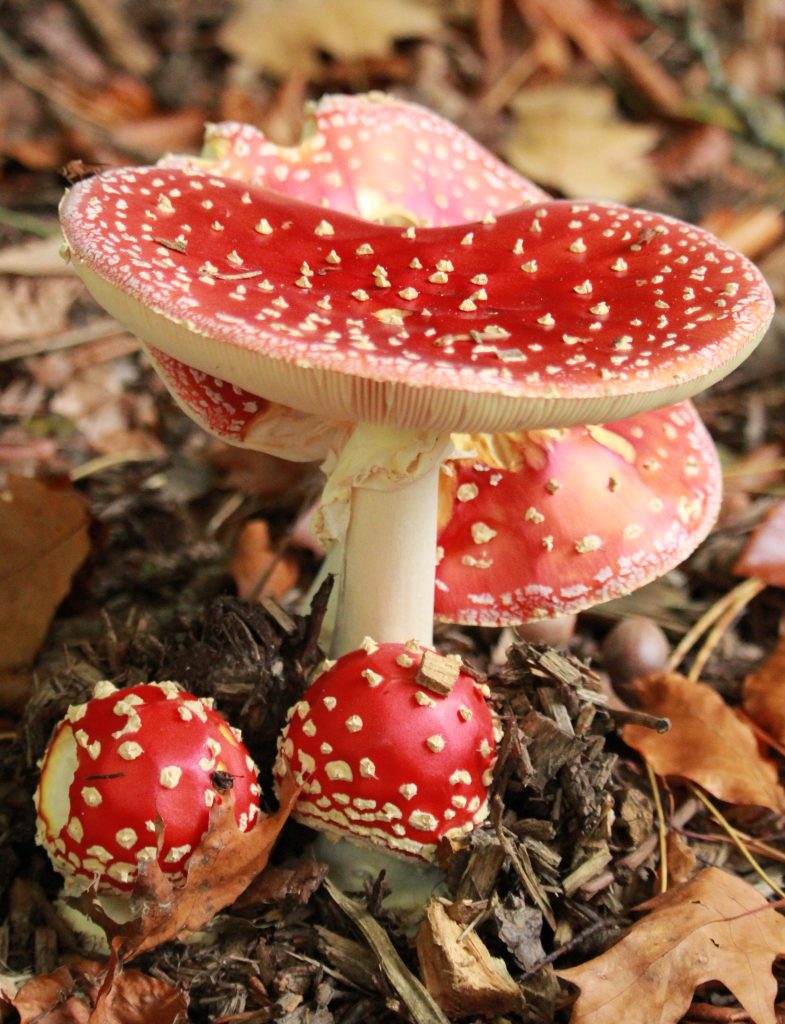 Color and Shape
High-quality amanita mushrooms have a distinct red to orange-red cap with white warts or spots. While the intensity of the color can vary depending on the environment and drying process, overly faded or brownish caps may indicate poor handling or degradation. The stem should be firm, white, and free from excessive damage.
Size and Structure
Caps that are intact, with minimal cracks, are generally preferred. Mushrooms that have been broken into small fragments or powdered without clear sourcing can be difficult to evaluate for freshness and quality.
Drying and Preservation Methods
Proper Drying
The way amanita mushrooms are dried plays a significant role in their quality. Proper drying should preserve the mushroom’s color and structure.Mushrooms dried too quickly at high temperatures can lose potency, while insufficiently dried mushrooms may develop mold.
Storage Conditions
Mushrooms should be stored in airtight containers, away from direct sunlight and moisture.
If you notice dampness, mold, or an unpleasant odor, the mushrooms are likely of poor quality or improperly preserved.
Source and Harvesting Practices
Ethical and Sustainable Harvesting
Quality also depends on how and where the mushrooms were harvested. Amanitas collected from clean, pesticide-free forests are generally safer and better than those gathered near polluted areas or roadsides.
Transparency of the Supplier
Reputable suppliers often provide details about the origin, harvesting season, and preparation method. If this information is missing, it raises questions about the reliability of the product.
Aroma
Natural Aroma
Freshly dried amanita mushrooms should have a mild, earthy smell.
A sour, chemical-like, or moldy odor is a strong sign of poor quality or contamination.
Lab Testing
Importance of Laboratory Analysis
One of the most reliable ways to determine mushroom quality is through lab testing. Laboratory analysis can verify the presence of key compounds such as muscimol and ibotenic acid while checking for harmful contaminants like heavy metals, bacteria, or mold spores.
Common Mistakes When Choosing Amanita Mushrooms
Buying based only on price – Very cheap mushrooms are often poorly harvested or stored.
Ignoring appearance – Mushrooms with discoloration, unusual spots, or mold should be avoided.
Overlooking supplier reputation – Always research the brand or seller before making a purchase.
Skipping storage checks – Even good mushrooms can degrade if stored incorrectly after purchase.
Conclusion
Determining the quality of amanita mushrooms involves a careful look at their appearance, preservation, sourcing, aroma, and testing. Since safety is the top priority, always choose reputable suppliers who provide transparent information and preferably laboratory certification. By paying attention to these factors, you can significantly reduce the risks associated with low-quality mushrooms and ensure a more reliable experience.
FAQ
How can I tell if my amanita mushrooms are moldy?
Look for fuzzy spots, unusual discoloration, or a musty smell. Moldy mushrooms should never be consumed.Does the color of amanita mushrooms affect quality?
Yes. While natural variations exist, overly dull or brown caps often signal poor preservation or aging.Are lab-tested amanita mushrooms safer?
Absolutely. Lab testing ensures that the mushrooms are free from harmful contaminants and have the expected chemical composition.Can improper storage ruin high-quality mushrooms?
Yes. Even the best mushrooms can degrade if exposed to moisture, sunlight, or heat. Airtight containers in a cool, dark place are best.Why does supplier reputation matter?
Reputable suppliers follow proper harvesting, drying, and testing practices. Unknown sellers may cut corners, increasing risks for consumers.